
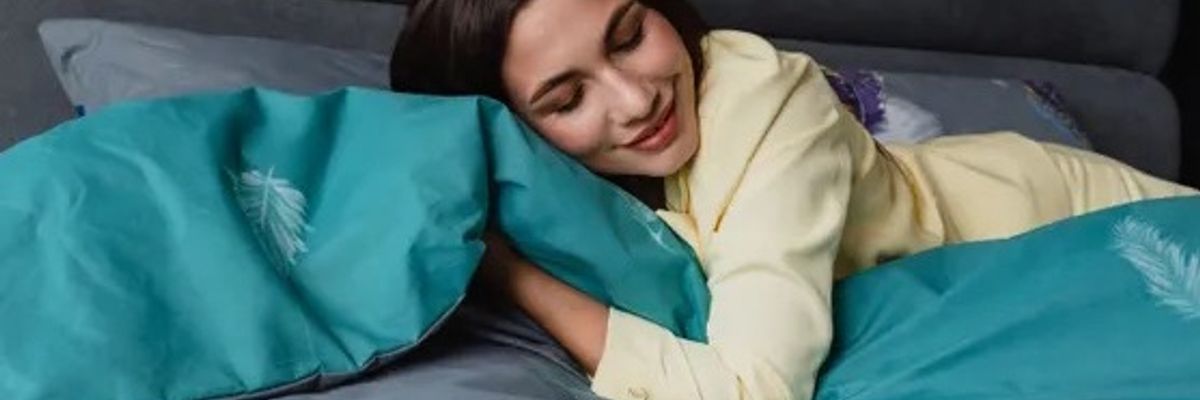
To choose the right mattress protector, you first need to be clear about the main reason for buying it: an Aquastop model gives 100% protection from liquids, a classic quilted cover protects against dust and dirt, and a topper is bought to change the firmness of the bed significantly. The right choice depends on whether you have small children or pets at home and on your personal comfort preferences at night.
Many buyers get lost in the wide range offered by modern textile manufacturers and buy the first accessory they see, judging only by a low price or an attractive picture. However, the wrong type of product will not only fail to solve your everyday needs but can also seriously spoil your rest. For example, an ordinary fabric cover on a child's bed will not save an expensive orthopaedic mattress costing from 15,000 UAH from unexpected night-time accidents. Careful attention to practical parameters and an understanding of how the formats differ is the only reliable way to create a healthy and comfortable sleeping space.
What Are Aquastop, Quilted Covers and Toppers
An Aquastop mattress protector is a waterproof cover made of cotton terry fabric with a thin polyurethane (PU) membrane heat-bonded to the reverse side. The membrane has a microporous structure that reliably blocks large liquid molecules but lets air pass freely, so the bed stays ventilated.
A quilted mattress protector is a classic stitched cover made of two layers of dense natural fabric (calico, poplin) with a light siliconised filling inside.
Its purpose is basic protection of the mattress from friction against the sheet, household dust, dirt and premature wear of the upholstery.
A topper (or corrective mattress) is a dense springless pad 2 to 5 cm thick, filled with coconut coir, natural latex or orthopaedic foam. It is placed directly on top of the main sleeping surface to even out the joins of a sofa bed or to make the bed softer or firmer.
Comparison Table: The Actual Figures
Healthy sleep is not about vague phrases like "highest quality" or "premium materials". Every type of bedding has clear physical parameters, density in g/m² and its own care rules.
To help you understand what each of these three products can do, we have put their key technical data into one table:
| Comparison parameter | Waterproof Aquastop | Classic quilted cover | Corrective topper (thin mattress) |
|---|---|---|---|
| Material density | 160–210 g/m² | 150–250 g/m² | Weighs 3 to 7 kg (depending on layers) |
| Stain protection | 100% sealed and dry | Only stops small drops | Absorbs dirt quickly, needs cleaning |
| Washing temperature | Strictly 30–40 °C (no bleach) | Can be cleaned at 40–60 °C | Washing the core is not allowed |
| Main function | Protection from moisture and spilled tea | Protection from dust, pilling and dirt | Significantly changes bed firmness |
| Fastening type | Elasticated skirt or 4 straps | 4 elastic corner straps | Has its own loops or stays in place by weight |
The Verdict: Who Should Choose What
When choosing a specific model, buyers most often hesitate between a waterproof membrane and a classic quilted cotton cover. The choice between them always comes down to accepting the practical drawbacks of each material and considering your lifestyle.
Here is how these two formats compare:
- Waterproof Aquastop: Its main drawback is that budget models with low-quality film may make a slight plastic rustle with every movement. In hot summer months, the membrane may also retain some heat, creating a slight greenhouse effect.
- Classic quilted cover: Its honest drawback is that it offers no protection against liquids. If you spill juice or tea, you have only 30 to 40 seconds to remove the bedding, otherwise the moisture will soak into the soft inner layers of the orthopaedic mattress.
The verdict: who should choose what: A waterproof Aquastop is a must for families with small children who are just learning to sleep without nappies, owners of cats or dogs, and people who like to drink coffee in bed. A classic quilted cotton cover is ideal for adults without small children or pets who value a completely silent bed, maximum natural breathability and easy monthly care above all.
How to Measure and Choose a Mattress Protector in the Shop: A Step-by-Step Guide
Choosing protective bedding requires precise steps that rule out buying the wrong size by accident. Follow this numbered plan:
- Measure the mattress with a tape measure: Note the exact length and width of the bed (for example, 160 × 200 cm) and be sure to record the mattress depth (usually 18 to 25 cm).
- Choose a reliable fastening type: If you move a lot in your sleep, buy a model with a full elasticated skirt all the way around. Four elastic corner straps are enough for calm sleepers.
- Check the quality of the protective layer: Make sure the PU membrane is heat-bonded, has no strong chemical glue smell and does not rustle in your hands like an ordinary plastic bag.
- Compare the filling density: If your goal is to make a mattress that is too firm a little softer, buy a quilted cover with siliconised fibre at 200–250 g/m² or a thin latex topper.
Frequently Asked Questions About Protecting Your Bed (FAQ)
Who should definitely NOT buy a firm coconut coir topper?
Products with natural coconut coir are very firm. They are not suitable for older people with joint problems, pregnant women, anyone who likes to sleep on a soft surface on their side, or people weighing less than 50 kg, as the bed will feel too hard.
Can I wash an Aquastop waterproof mattress protector together with jeans or towels?
No, you should not. Hard zips, buttons or metal parts on jeans can easily damage or puncture the thin polyurethane membrane as the drum turns. Wash the Aquastop on its own or with soft cotton bedding.
What should I do if my mattress is 30 cm deep but a standard cover is designed for 25 cm?
In this case, a standard model with an elasticated skirt will not fit or will keep slipping off. The best solution is a model with 4 elastic corner straps, which stretch easily to any depth.
How often should the protective cover be cleaned?
Quilted and membrane models should be given a gentle preventive wash in the machine every 2–3 months. This removes accumulated household dust, keeps the bed fresh and restores the fabric's porous, breathable structure.